
What if a city could test a transport change before making it in the real world?
What if planners could explore how traffic might respond, how public services could be affected or where resources might be needed without immediately changing physical infrastructure?
This is the idea behind digital twins.
A digital twin is a digital representation of a real system or place. It can bring together data from different sources and allow users to model situations, explore possible changes and understand how a system might respond.
Combined with Artificial Intelligence, this can become a powerful tool for planning.
In June 2026, the European Union's Local Digital Twin Toolbox completed its development phase and became available for adoption by cities and regions. The initiative combines data, digital twin technology and AI models to help public authorities improve services and strengthen resilience.
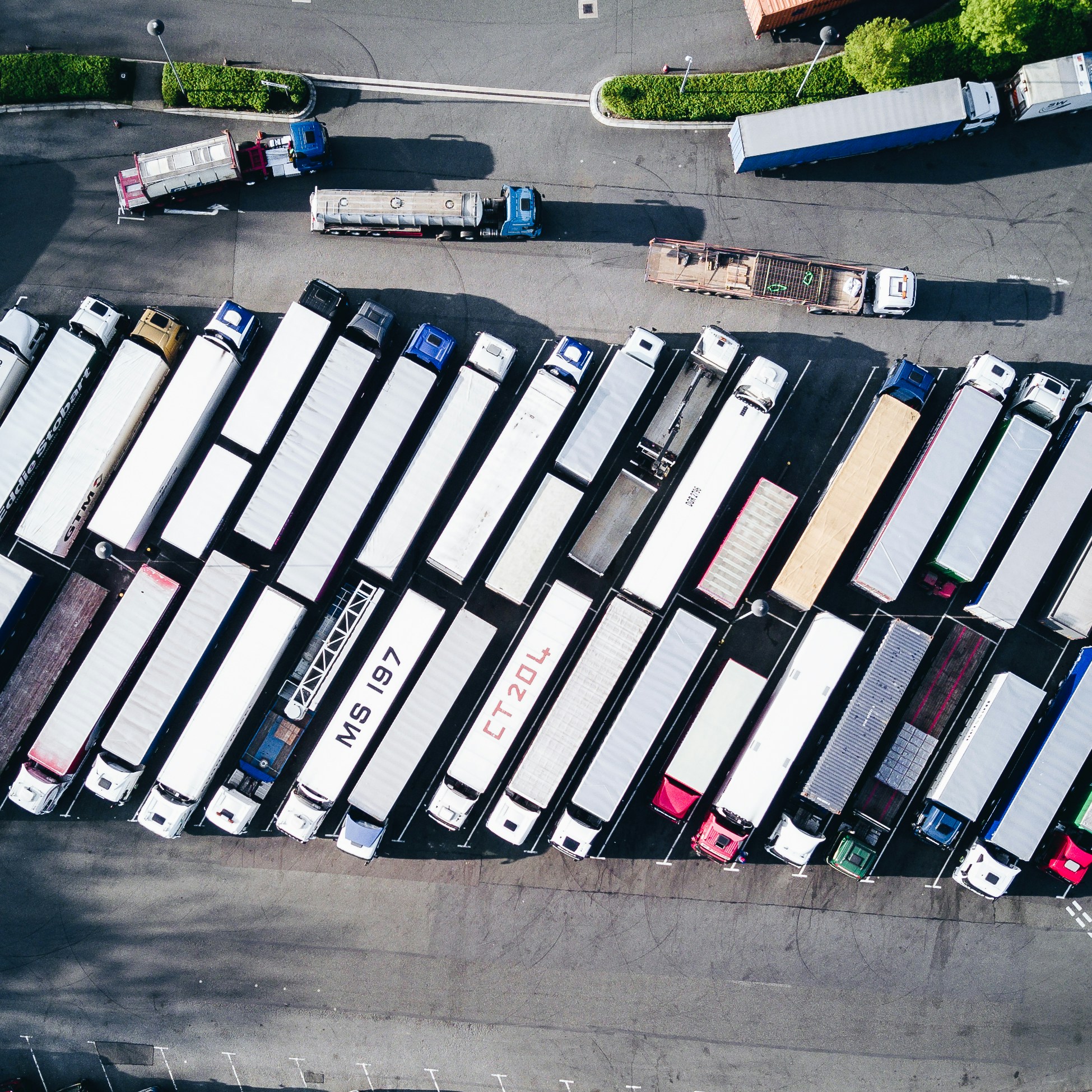
For sustainable transport, digital twins could allow planners to explore traffic patterns, mobility services or infrastructure changes before implementing them. Similar approaches could also support areas such as energy management, climate resilience and resource planning.
This makes digital twins an interesting subject for SUSTaiN because they demonstrate how AI can support problem solving rather than simply automate individual tasks.
They also offer a useful learning model.
The SUSTaiN project promotes practical learning through its AI for Sustainability Hackathons. These activities encourage learners, educators and industry stakeholders to work together on genuine sustainability challenges.
A digital twin may be much more complex than what learners can build during a short activity, but the thinking behind it is very relevant.
Start with a real problem. Gather useful information. Explore possible solutions. Consider the consequences. Test ideas before deciding what should happen next.
That approach can be applied whether learners are discussing transport, water, energy or agriculture.
The SUSTaiN Digital Toolkit and Training Programme provide further opportunities to explore the technologies that can support this type of problem solving.
The most valuable skill may not be knowing every new digital tool. It may be learning how to ask the right questions and decide which tools are appropriate for the problem in front of us.